
Critical energy infrastructure through hydrogen
A container-based energy system that stores renewable energy and delivers it on demand. Surplus electricity is converted into hydrogen, stored safely and converted back into electrical energy when needed.
Energy supply for Remote areas
01 / 12Storing energy
Hydrogen Microgrid
A container-based energy system that stores renewable energy intelligently and delivers it on demand.
02 / 12Storing energy
The sun delivers energy
The solar field converts sunlight into electricity that feeds the container.
03 / 12Storing energy
Smart distribution
In the power electronics, a smart algorithm decides ahead of time how much electricity goes to the battery and how much to the electrolyser.
04 / 12Storing energy
Surplus becomes hydrogen
The electrolyser splits water into hydrogen and oxygen – using electricity the battery and consumers do not currently need.
05 / 12Storing energy
The long-term storage fills up
The hydrogen is stored in the tank, where it holds the energy for weeks and months.
06 / 12Using energy
Power on demand
The battery supplies consumers instantly. When grid power is cheap, the algorithm buys in – at negative prices it even gets paid.
07 / 12Using energy
The fuel cell steps in
The algorithm switches on the fuel cell ahead of time, based on charge level, consumption and forecast. It turns the stored hydrogen back into electricity.
08 / 12Smart storage
Smart storage
The algorithm allocates every kilowatt-hour: short-term to the battery, long-term to hydrogen – and buys in when grid power is cheap.
09 / 12Smart storage
Seasonal storage
In summer, surplus becomes hydrogen; in winter the fuel cell returns it as electricity.
10 / 12Using by-products
Putting oxygen to use
The oxygen from electrolysis serves water treatment, industrial processes, wellness – or medicine*.
* medical use subject to certification
11 / 12Using by-products
Waste heat is used too
Electrolyser and fuel cell give off heat – separate heating circuits make it usable.
12 / 12The cycle
A closed loop
Electricity, hydrogen, oxygen, heat – and the water from the fuel cell returns to electrolysis.

The animation could not be loaded. All explanations are available below.
Start your microgrid project now!
We analyse your requirements and tailor the system precisely to your needs. Let us talk about your scenario and lay the foundation for a sustainable, future-proof solution.
Request a projectHyGrid in action
 Namibia
HygO — microgrid with water treatment
“Made in Germany” — still recognised worldwide as a seal of quality and innovation for classic mechanical- and plant-engineering exports and, increasingly, for GreenTech products — is being leveraged to establish a hydrogen & oxygen biotope for microgrids in Namibia.
More about the project → South Africa
Hydrogen Tryout Areal (HyTrA)
In Cape Town, South Africa, the Hydrogen Tryout Areal (HyTrA) was installed on the Alu-Cab site. The existing solar installation is used to produce green hydrogen and thus “preserve” energy for times of need. Beyond the microgrid’s core functionality, HyWindow and HyFrame extend HyGrid with offerings and services — ensuring the local community is involved in the hydrogen activities and local value creation can emerge.
More about the project →Production technologies for hydrogen systems
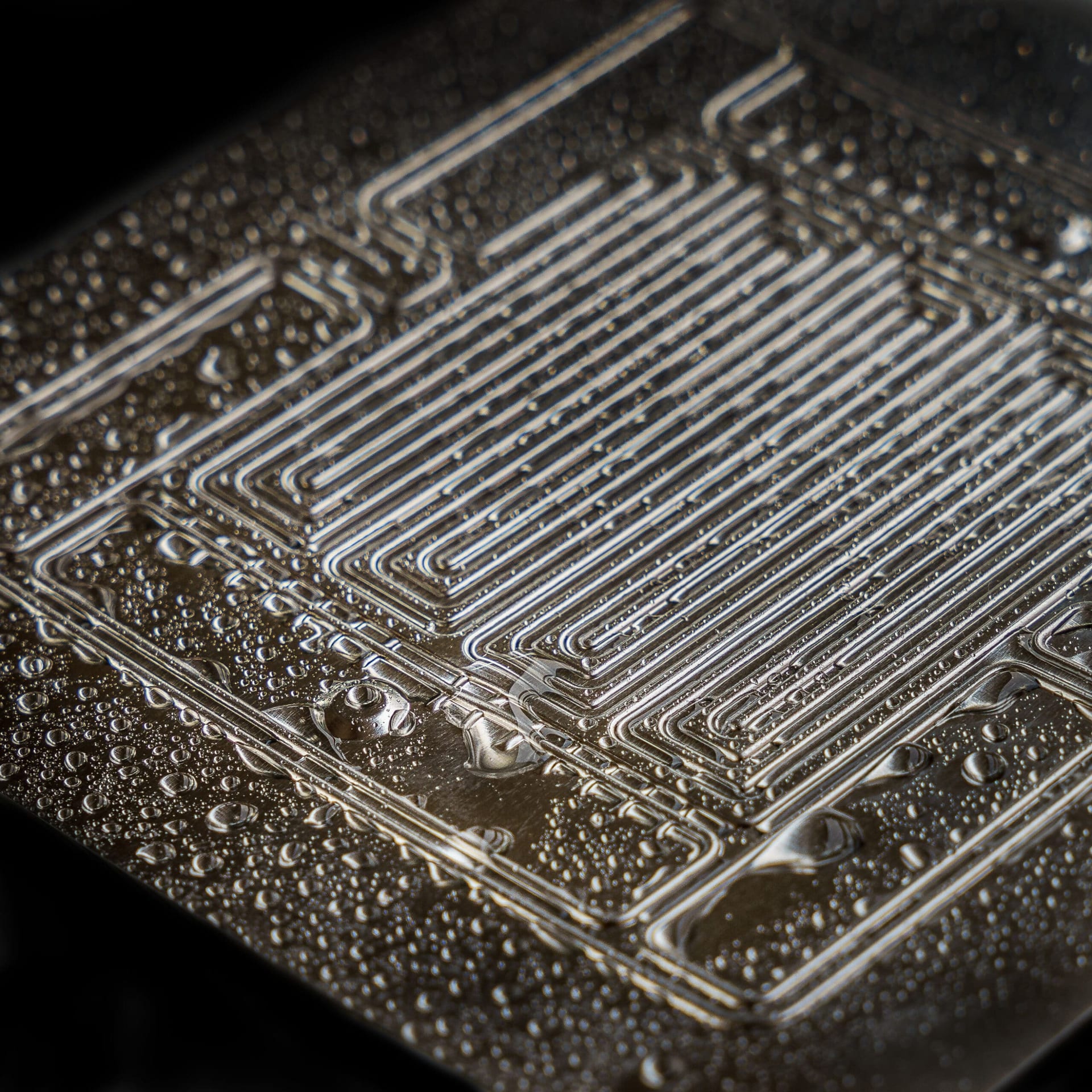
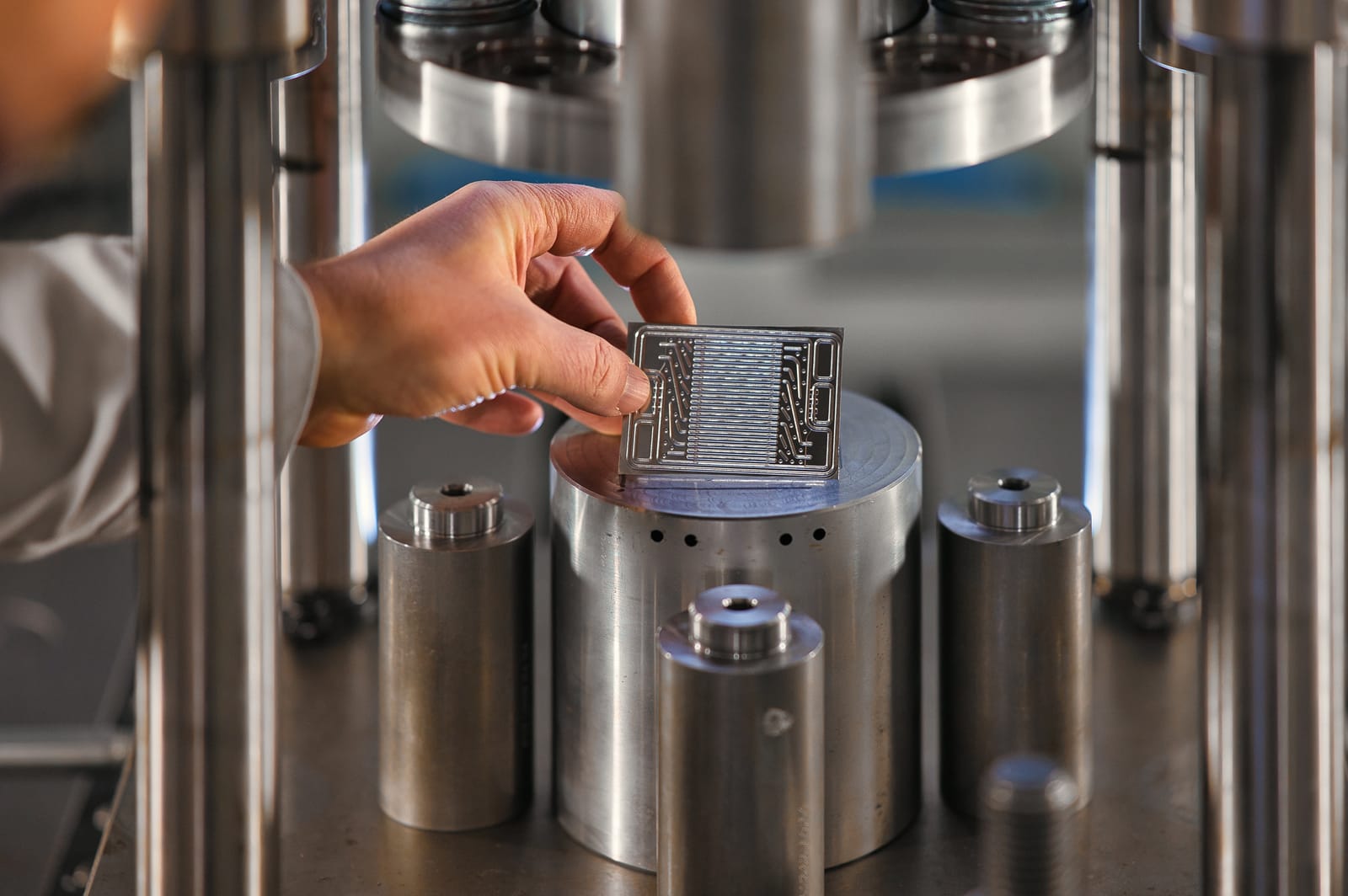
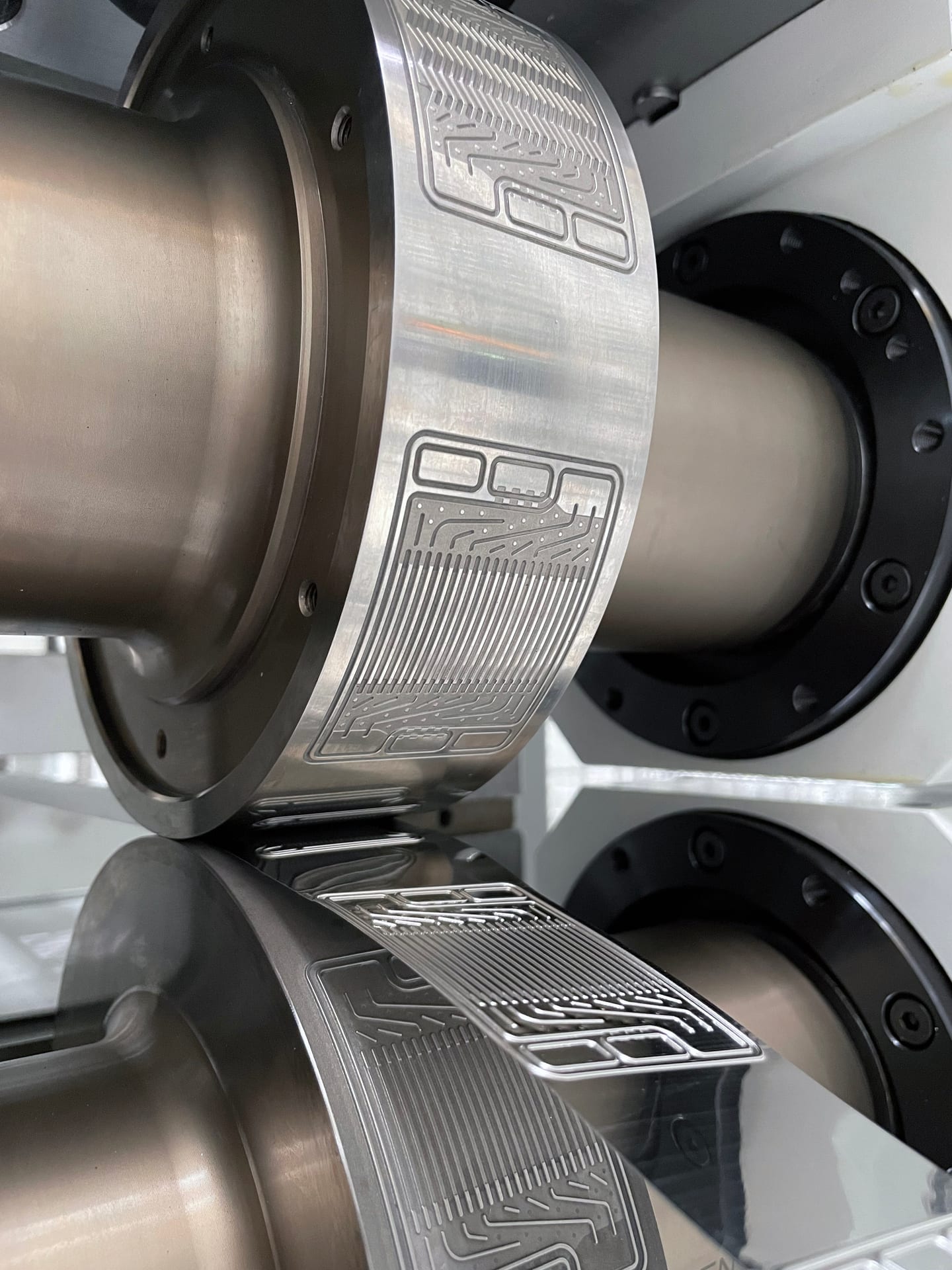


Seize the opportunity and join the value-creation community for hydrogen system production.
Start your project