
01Reuse
Reuse of intact parts
We integrate recycling and circularity concepts right from the development phase. The aim is the efficient use of critical materials and the return of components and materials into industrial material cycles. To this end we develop circular-ready fuel cell (PEM, SOFC) and electrolyser systems and rely on (partly) automated disassembly processes to scale recovery and reuse economically. In this way we contribute to sustainable hydrogen systems and secure the long-term profitability of industrial applications.
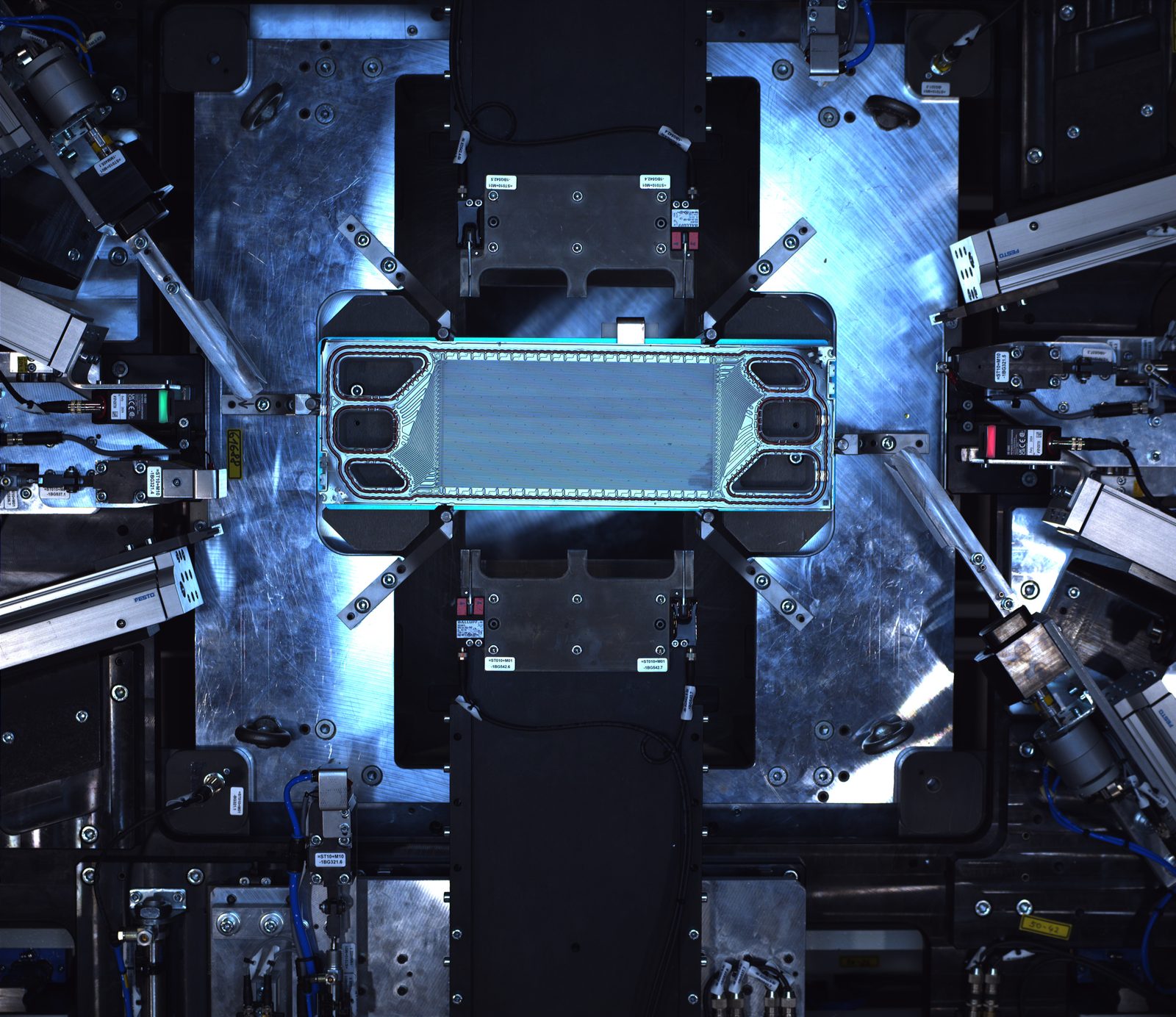
The ramp-up of a sustainable hydrogen economy does not end with producing new systems. Whether for mobile applications or stationary energy supply: to make hydrogen technologies truly environmentally friendly and economical, we must think about the end of their life cycle today. At Fraunhofer IWU we close this loop: with a globally unique research facility we develop processes for the fully automated, non-destructive disassembly of fuel cell stacks — creating the basis for a genuine circular economy.
Existing recycling methods often rely on shredding entire modules — irretrievably losing valuable materials and functional components. Our approach is more differentiated. We develop concepts for:
Reuse of intact parts
Reconditioning of used components
Repair of systems
Material recovery where reuse is no longer possible
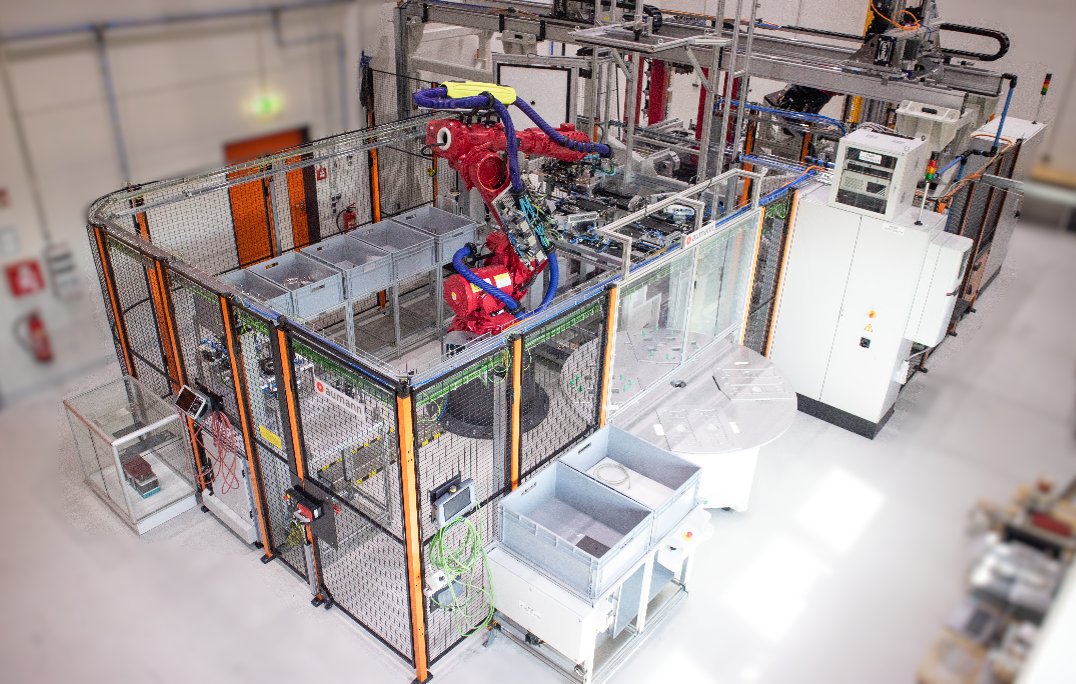
The goal is to recover housings, seals and above all the expensive core components such as bipolar plates and membrane electrode assemblies (MEA) sorted by type — regardless of where the stack was used. The technical hurdle lies in the sensitivity of the components: bipolar plates are often less than 1 mm thin. To separate them non-destructively from the assembly, we have built a fully automated pilot plant. It masters the complete process: from data capture and destacking to the type-pure separation of the layers — all at industrial scale. This turns stacks from complex waste into an efficient source of raw materials.
Multiple double-sided grippers and special tools for efficient handling and releasing of joints
Camera systems and sensors for condition and defect detection, plus adaptive tool changing
Disassembly from the housing down to cell level for optimal preparation for second life or recycling
Contact us for a no-obligation conversation about your development ideas. We help you develop the technologies and processes of the future. Together we will find the best solution for your challenges.
Request a projectDeveloping your system design with engineering and validation
View →Technology development of the required processes, equipment and tooling
View →Prototype manufacturing of components and systems
View →Characterizing stack, system and process for safety and quality
View →Advancing your capabilities in the H₂ value chain
View →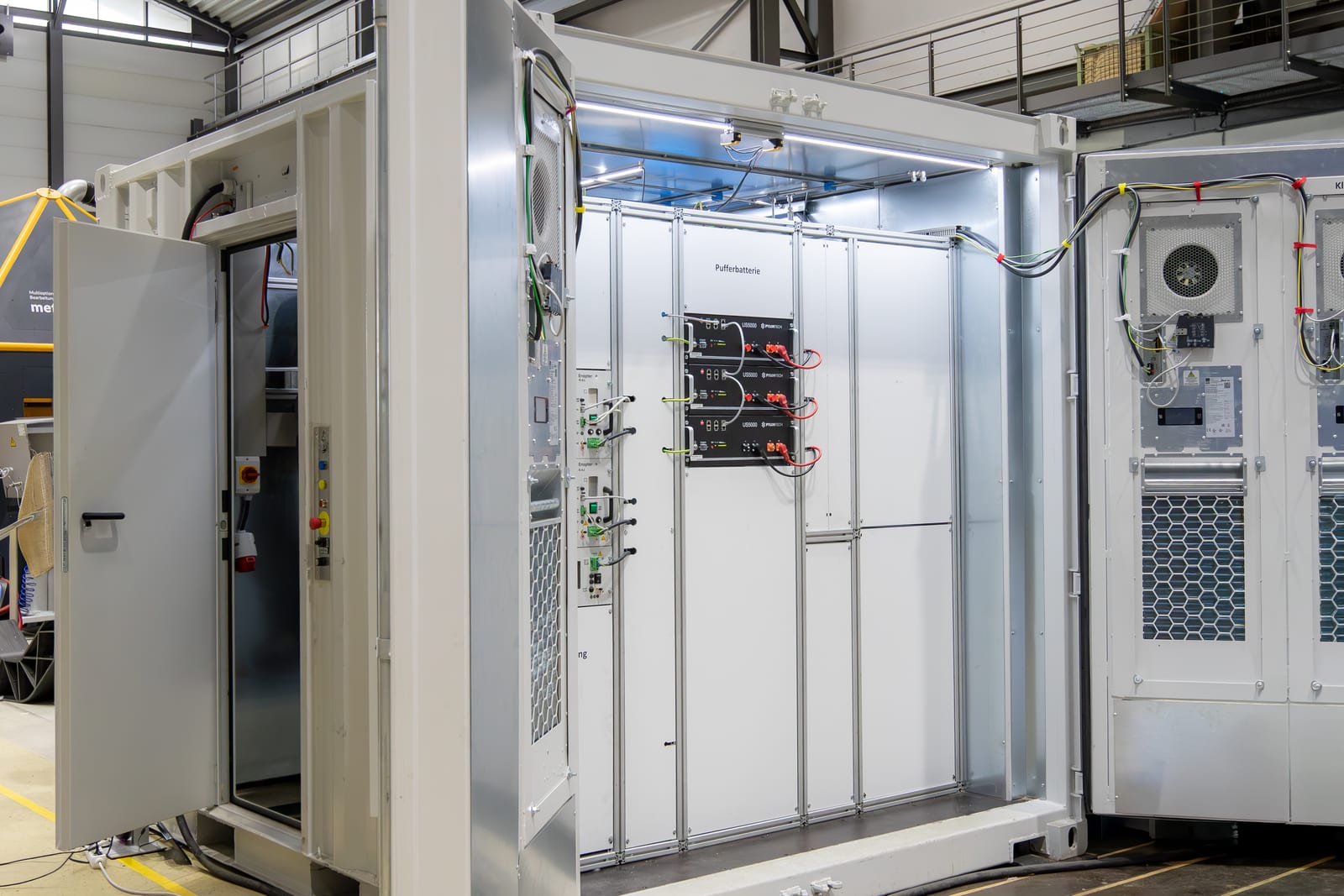
A container-based energy system that stores renewable energy and delivers it on demand.
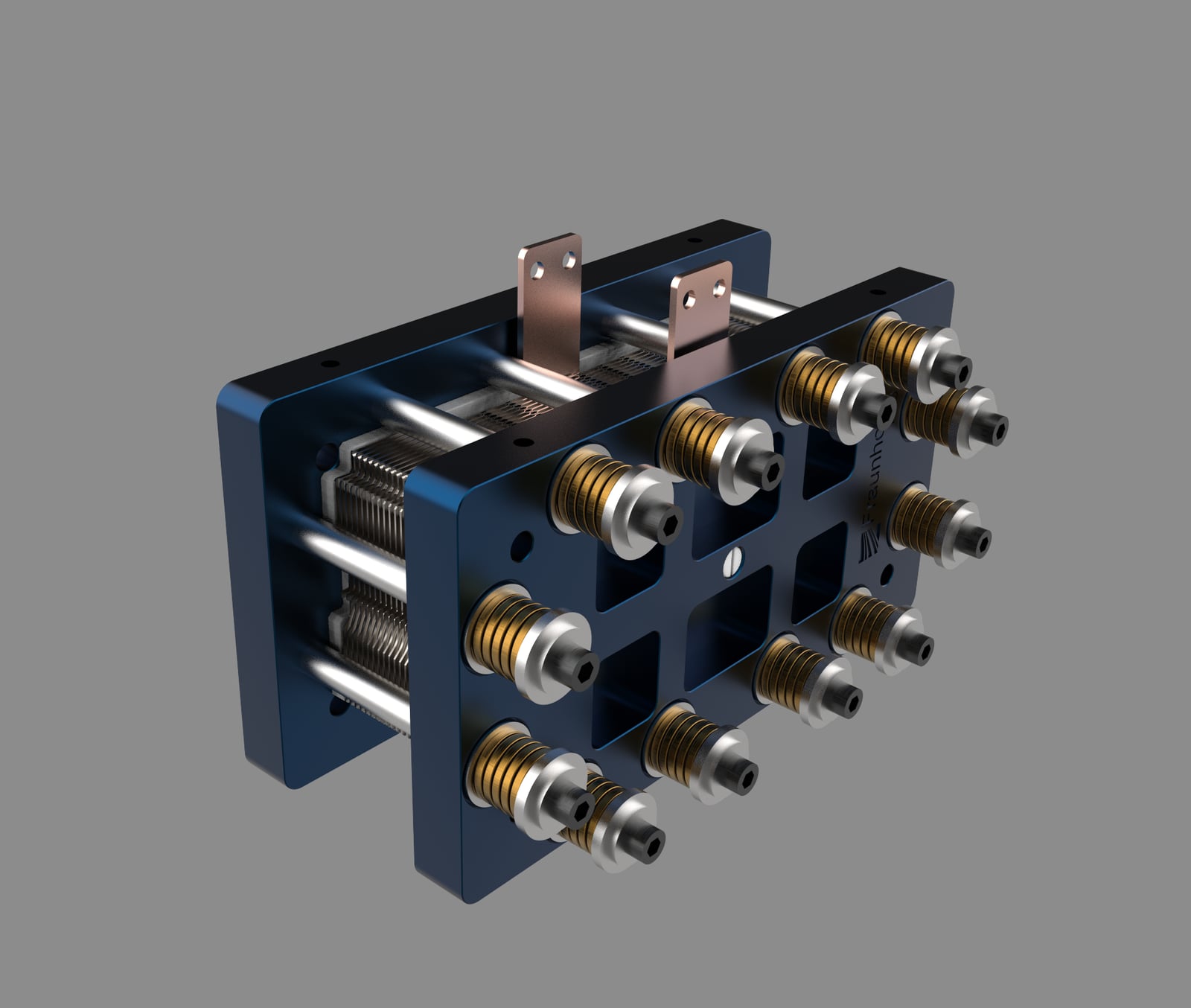
A reference stack for scaling electrolyzer production to industrial volumes.